10 Best Gymnastic Trampolines for Buyers in 2026

Time:2026-09-29 Author:Ethan
0%

A Gymnastic Trampoline can support focused practice, but the right choice depends on the athlete, available space, and intended skills. This 2026 buyer’s guide compares ten options for home training, from compact models to larger setups designed for more demanding routines. It looks beyond appearance to details that affect everyday use.

We consider frame construction, mat feel, enclosure design, stated weight limits, footprint, assembly, and warranty information. A steady frame and responsive mat matter when practicing controlled jumps; clear setup instructions matter when the equipment arrives in several parts. Fit matters. A model suited to basic conditioning may not feel right for repeated skill drills, and indoor ceilings can limit safe movement. No trampoline is perfect, and product specifications do not replace careful setup or supervision. That is worth remembering. Availability and listed features can also change, so check the manufacturer’s current manual and product details before buying. Use this shortlist to compare practical trade-offs, not as a promise that one model will suit every athlete.
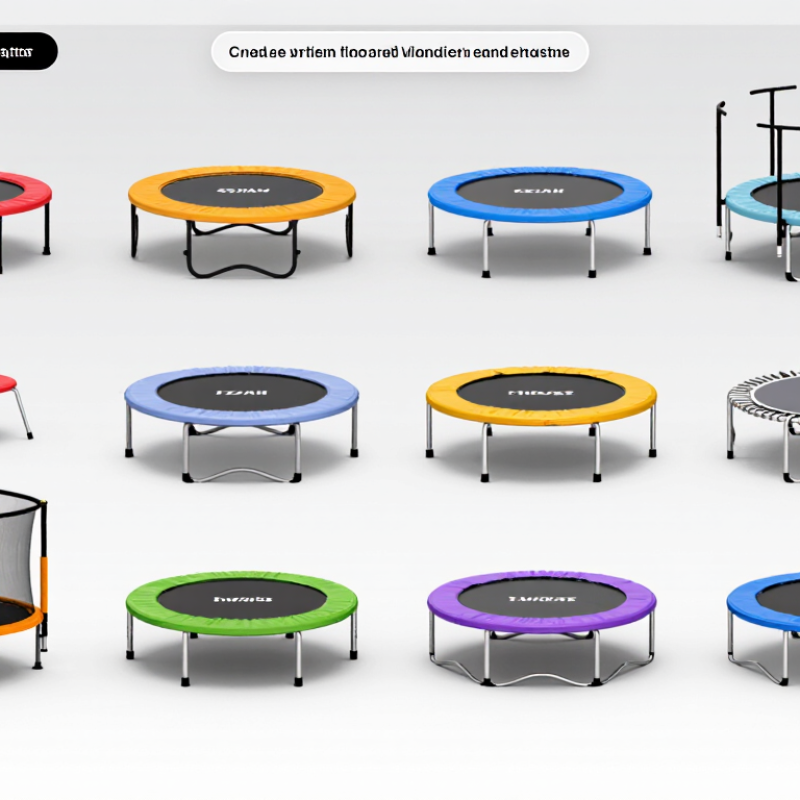
10 Best Gymnastic Trampolines for Buyers in 2026

What Makes a Gymnastic Trampoline Suitable for Buyers in 2026

What makes a gymnastic trampoline suitable for buyers in 2026 is not a long feature list. It is a stable, predictable bounce that matches the athlete’s size and training level. Check the frame’s weight rating, welds, and leg design, then look for a mat that stays taut without feeling harsh. A frame that shifts during a basic straight jump is a warning sign. So is uneven spring tension.

Measure the training space before choosing a model. Leave clear room around the trampoline, and check ceiling height for safe overhead movement. Spring length and mat diameter affect the feel of each bounce; bigger is not automatically better. Inspect the stitching, spring covers, and connection points, since these parts take repeated strain. Ask whether replacement components are available. That matters after a season of regular practice.

Setup should feel straightforward, with instructions that clearly show each step. A second adult can help keep the frame steady during assembly. Test the unit with low, controlled jumps before attempting harder skills, and stop if it rocks, squeaks sharply, or shows loose fittings. No trampoline removes the risk of injury. I would also avoid judging quality from bounce height alone; it can be tempting, but consistency and sound construction deserve more attention. An occasional recheck is easy to forget. Make it part of the routine.

Key Features to Compare Before Choosing a Gymnastic Trampoline

Before choosing a gymnastic trampoline, compare its frame, jumping bed, springs, and intended use. A stable frame should sit level without rocking, while the bed should feel evenly tensioned, not sag near the center. Check the manufacturer’s stated user-weight limit and inspect welds, stitching, and spring connections. Small details matter.

Match the trampoline to the athlete and available space. Competitive practice may require a larger bed and stronger rebound than basic drills, but extra bounce is not automatically better. The International Gymnastics Federation’s apparatus rules specify dimensions for competition trampolines; use those as a reference, not proof that a home model meets competition requirements.

Safety data deserve attention, too. The American Academy of Pediatrics cited about 98,000 trampoline-related injuries in the United States in 2009, including roughly 3,100 hospitalizations, in its policy statement on trampoline safety. Those figures cover trampoline injuries broadly, not gymnastic models alone.

Still, they underline why padding, secure assembly, and clear inspection guidance should count in a comparison. Check them closely.

A soft-looking pad can shift, and I would not assume it stays put without testing its attachment.

The 10 Best Gymnastic Trampolines for Different Training Needs

The 10 best gymnastic trampolines depend on the athlete, available space, and training goal. A beginner needs a stable surface and manageable bounce, while a developing gymnast may value a larger jumping area for controlled drills. For conditioning, compact rebounders fit small rooms, but they cannot replace full-size equipment for skill practice. Club settings need durable frames, consistent tension, and enough clearance around the bed. Check the maker’s weight limit and assembly instructions before use.

Safety deserves equal attention. The American Academy of Pediatrics cited U.S. Consumer Product Safety Commission estimates of 98,000 trampoline-related injuries in 2009, including 3,100 hospitalizations. These figures are dated, but they show why equipment choice and supervision matter. A suitable model should have securely attached padding, a taut mat, and no exposed springs. Inspect seams and frame joints regularly. Small defects count. Keep one jumper on the trampoline at a time, and use a level surface with clear space overhead and around the frame. Even good equipment cannot prevent every awkward landing.

For the ten picks, compare options by need: entry-level practice, compact home workouts, youth training, adult conditioning, and advanced skill development. A softer bounce may feel forgiving, yet can make precise takeoffs harder. That trade-off is easy to overlook. Gymnasts should progress gradually and follow qualified coaching, especially when learning flips or other high-risk skills.

10 Best Gymnastic Trampolines for Buyers in 2026 — The 10 Best Gymnastic Trampolines for Different Training Needs
Training Need Trampoline Type Typical Bed Size Frame and Support Best-Suited Practice Key Buying Check
1. Beginner fundamentals Low-profile rectangular training trampoline About 7 × 14 ft (2.1 × 4.3 m) Rectangular frame with a spring-supported bed Basic jumps, body control, and introductory drills under qualified supervision Check frame stability, bed condition, and whether the landing area can be properly protected.
2. Progressive skill training Full-size rectangular trampoline About 7 × 14 ft (2.1 × 4.3 m) Competition-style rectangular layout; specifications vary by model Developing consistent bounce and practicing skills in a coached setting Confirm the intended user level and the manufacturer’s published assembly and inspection guidance.
3. Club or team training Commercial-grade rectangular trampoline Commonly around 7 × 14 ft (2.1 × 4.3 m) Designed for repeated use; construction and rated limits are model-specific Structured sessions with multiple athletes taking turns Review the exact user-weight limit, service support, inspection schedule, and replacement-part availability.
4. Limited training space Compact rectangular trampoline Roughly 5 × 10 ft (1.5 × 3.0 m); check the full frame footprint Smaller frame and jumping surface than full-size training models Low-impact conditioning and basic bounce exercises where space is constrained Measure the room or outdoor area, including clearance around and above the trampoline.
5. Budget-conscious home use Entry-level rectangular trampoline Often about 7 × 10 ft (2.1 × 3.0 m) Spring-supported design; build quality and included accessories differ Recreational bouncing and introductory practice, not a substitute for coached apparatus Compare the full safety and warranty information rather than price alone.
6. Fitness and conditioning Fitness rebounder Typically about 36–48 in (91–122 cm) across Small circular frame, usually with springs or elastic cords Low-impact cardio and balance exercises; not intended for advanced gymnastics skills Check the stated maximum user weight and use a stable, level floor.
7. Younger users’ basic activity Enclosed recreational trampoline Common backyard diameters include about 8–12 ft (2.4–3.7 m) Round frame with a perimeter enclosure on many models Supervised recreational jumping rather than formal gymnastics training Follow the age and user limits, allow only one jumper at a time, and inspect the enclosure and padding.
8. Outdoor family use Weather-resistant recreational trampoline Often about 10–14 ft (3.0–4.3 m) in diameter Outdoor frame and components; weather resistance varies by model General recreation and basic jumping in a suitable outdoor area Verify anchoring guidance, wind precautions, corrosion resistance, and required clearance.
9. Advanced coached practice High-performance rectangular trampoline Competition-style beds are commonly around 7 × 14 ft (2.1 × 4.3 m) Specialized frame, bed, and spring specifications vary by model Advanced trampoline skills practiced only with appropriate coaching and safety equipment Check applicable competition rules and have a qualified coach assess the equipment’s suitability.
10. Facility versatility Modular training setup with a separate landing mat Bed size depends on the selected trampoline; mats are sized to the landing zone Trampoline paired with compatible mats or other facility safety equipment Progressive drills in a gym or training space with supervised landings Confirm that mats fit securely and that the complete setup follows facility safety procedures.

Size figures are typical examples, not specifications for a particular product. Actual dimensions, user limits, materials, and intended uses vary by model. Always follow the manufacturer’s instructions and use appropriate supervision and safety precautions.

Safety, Durability, and Maintenance Factors to Consider

A gymnastics trampoline should feel controlled underfoot, not merely springy. Check the frame for secure joints, sound welds, and legs that sit flat on the floor. The mat should have even tension, tight stitching, and no frayed edges. Inspect springs or elastic connectors for rust, gaps, or uneven wear. Small details matter. Confirm that the stated weight limit suits dynamic training, not just a person standing still.

An enclosure can reduce fall risk, but only when the net closes securely and its poles are padded. Padding should stay attached, with no exposed hard corners near the landing area. Leave clear space around the trampoline and place it on level ground. Match the equipment to the athlete’s size and skill; a larger jumping surface is not automatically safer. Progress gradually.

Durability also depends on routine care. After sessions, check for loose hardware, torn stitching, and changes in bounce. Keep the mat dry, brush away grit, and follow the manufacturer’s cleaning and replacement guidance. Avoid improvised repairs; a neatly taped tear can still spread under repeated force. A written inspection log can reveal wear that a quick glance misses. No inspection is perfect, and that is worth remembering.

How to Select the Right Gymnastic Trampoline for Your Budget

Choosing a gymnastic trampoline on a budget means balancing usable bounce, build quality, and available space. Measure the ceiling height as well as the floor area, especially if you plan to practice jumps indoors. A larger frame can feel more stable, but it also needs more clearance and may cost more to maintain. Check the stated user-weight limit and whether replacement mats or springs are available. These details matter more than flashy extras.

Price alone is a weak guide. Look closely at frame joints, leg supports, stitching, and the way the mat connects to the springs. A firm bounce should feel predictable, not harsh or uneven. If possible, compare models in person or read detailed owner feedback about wobbling and wear after regular use. Warranty terms can reveal what the seller expects the equipment to withstand, though they do not guarantee perfect performance. I have learned that assembly time is easy to underestimate.

Tips: Set aside part of your budget for a safety enclosure or compatible accessories if needed. Keep the trampoline on level ground, follow its assembly instructions, and inspect the mat, springs, and frame before each session. A bargain is less appealing when a small tear goes unnoticed. Start with the features you truly need, then decide whether upgrades justify their added cost.

10 Best Gymnastic Trampolines for Buyers in 2026

How to Select the Right Gymnastic Trampoline for Your Budget

How to read this chart: Bars show approximate 2026 planning budgets, not ranked products or live quotations. Prices vary with trampoline size, frame and mat specifications, safety equipment, shipping, and installation. Compare the complete setup and intended use before buying.

FAQS

What makes a gymnastic trampoline suitable for buyers in 2026?

It should provide a stable, predictable bounce for the athlete’s size and training level. A long feature list is not enough. Check the frame, mat, springs, and intended use.

How can I test frame stability before buying?

Place it on a level surface and watch during a controlled straight jump. The frame should not shift or rock. Sharp squeaks or loose fittings deserve attention.

What should I inspect on the jumping surface?

Look for a taut mat with even tension and no sagging center. Check stitching, spring connections, covers, and exposed hardware. Small defects matter.

How much space does a trampoline need?

Measure the room before choosing. Leave clear space around the frame and enough ceiling height for safe overhead movement. A larger bed is not automatically better.

Should beginners choose a stronger bounce?

Not necessarily. Beginners usually need manageable rebound and a stable surface. Advanced drills may need more area and stronger rebound, but control still matters.

What safety features deserve close attention?

Padding should stay attached, springs should remain covered, and the frame should sit level. Keep one jumper on the trampoline. No equipment removes every injury risk.

Are compact rebounders suitable for gymnastic skill practice?

They can suit conditioning and small rooms. They cannot replace full-size equipment for many skill drills. That difference is easy to miss.

What weight and durability details should buyers check?

Confirm the stated user-weight limit before use. Inspect welds, leg connections, stitching, and spring tension. Ask whether replacement parts remain available after regular training.

What should I do after assembly?

Follow every instruction step and use a second adult to steady the frame. Test with low, controlled jumps. Stop if it rocks, squeaks sharply, or shows loose parts. Recheck it regularly; I sometimes forget.

Conclusion

Choosing the right Gymnastic Trampoline in 2026 requires more than comparing size and price. Buyers should consider frame stability, bounce consistency, spring or elastic design, weight capacity, padding quality, surface grip, and adjustable features that support different training levels. The best options should suit specific needs, whether for beginner practice, skill development, conditioning, home workouts, or more advanced gymnastics training.

Safety and long-term durability are equally important. A reliable trampoline should have secure joints, protective padding, strong materials, and clear usage guidelines. Regular inspections, proper cleaning, controlled placement, and timely replacement of worn components can help maintain performance and reduce risks. By balancing essential features, available space, training goals, and budget, buyers can select a Gymnastic Trampoline that provides dependable support, comfortable practice, and lasting value.


Ethan

Ethan

Ethan is a seasoned marketing professional with a deep expertise in our company's innovative product line. With a passion for sharing knowledge and insights, he takes the lead in regularly updating our corporate blog, where he explores industry trends, product features, and effective marketing......