What Is the Best Outdoor Trampoline from China?

Time:2026-09-19 Author:Liam
0%

Choosing the best Outdoor Trampoline from China requires more than comparing prices and colorful product photos. A reliable choice begins with practical details: frame strength, spring protection, net stability, ladder design, and resistance to rain and sunlight. Galvanized steel can help reduce rust, while UV-resistant materials may extend the life of the jumping mat and enclosure. However, material claims should be verified through supplier documents and independent testing, not accepted blindly.

Safety comes first. During product evaluation, inspect welds, padding thickness, stitching, and the way the enclosure connects to the frame. A stable trampoline should remain firm when children enter, jump, or move toward the edge. Manufacturers with clear inspection procedures, traceable production records, and responsive communication usually deserve more confidence. Buyers should also confirm dimensions, weight limits, replacement-part availability, packaging quality, and installation guidance before ordering.

Experience can reveal what specifications hide. A trampoline may look impressive but feel unstable after several weeks outdoors. That matters. The “best” model depends on the user’s age, yard space, climate, budget, and expected frequency of use. Supplier audits, sample testing, and careful after-sales discussions can reduce unpleasant surprises. Even then, no product is perfect. Weather, assembly mistakes, and poor supervision can affect performance. This guide will compare key features, manufacturing quality, safety considerations, and purchasing factors to help readers make a more informed decision.
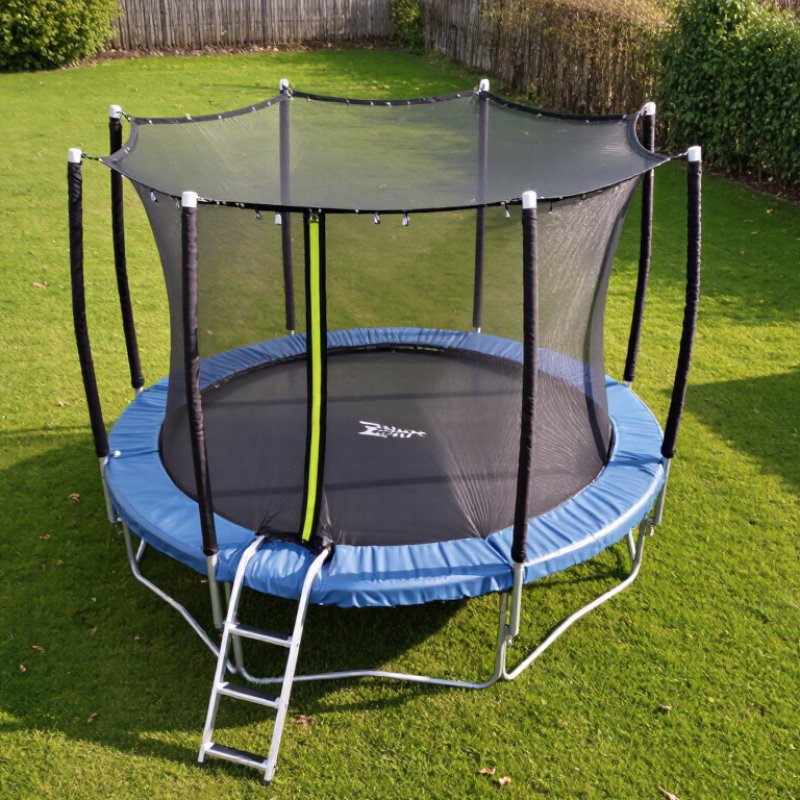
What Is the Best Outdoor Trampoline from China?

What Defines a China-Made Outdoor Trampoline? Sizes, Loads, and Use Classes

A China-made outdoor trampoline means its frame, mat, springs, or assembly is manufactured in China. It does not automatically define safety or quality. Buyers should check the factory’s test records, material grades, and traceable batch information. The common sizes are 6, 8, 10, 12, 14, and 16 feet. Smaller models suit limited gardens. Larger models need wider clearance and stronger anchoring.

Load ratings require careful reading. A listed 100-kilogram capacity may describe one user, total static weight, or a tested dynamic load. These are not interchangeable. ASTM F381-21 covers consumer trampoline components, assembly, use, and labeling. EN 71-14 covers domestic-use trampolines and addresses enclosure, access, and structural risks. A credible supplier should explain which standard applies. Ask for the test date, laboratory name, and exact model number.

Use class matters too. Domestic trampolines are designed for supervised family recreation, not commercial playground traffic. Commercial settings need heavier frames, controlled access, inspection schedules, and documented maintenance. The 2022 WHO Global Status Report on Physical Activity reported that 31% of adults worldwide were insufficiently active, but exercise value does not remove impact risks. I would not treat a thick mat as proof of safety. Check galvanized tubing, UV-resistant netting, spring cover thickness, anchor points, and the real clearance around the frame. Catalog claims can be incomplete. That deserves scrutiny.

Safety Benchmarks: ASTM F381, EN 71-14, and ISO 8124 Requirements

Choosing the best outdoor trampoline from China requires more than checking frame diameter or spring count. Safety documentation matters. ASTM F381 covers consumer trampoline components, assembly, use, and labeling. EN 71-14 addresses domestic trampolines, including access, enclosure, stability, and user instructions. ISO 8124-1 evaluates mechanical and physical safety for toys, but it may not replace a trampoline-specific standard. Confirm the product’s classification first.

Testing must match the finished model. Ask for reports identifying the exact product, materials, test date, and laboratory accreditation. Inspect the enclosure net, padding thickness, frame welds, anchor points, and warning labels. A 2014 U.S. Consumer Product Safety Commission analysis estimated about 100,000 trampoline-related emergency-department injuries annually. The American Academy of Pediatrics has also linked unsafe use and multiple jumpers with higher injury risk. Numbers vary by reporting method, but the warning is practical.

ASTM F381 should guide U.S.-focused purchasing. EN 71-14 is more relevant for European domestic use. ISO 8124 can support toy-safety claims when applicable. Do not treat one certificate as universal proof. Outdoor samples deserve hands-on inspection after rain, strong sunlight, and repeated assembly. That part is often overlooked. I would also check whether anchors remain secure in local soil, because laboratory performance cannot fully predict every backyard. A careful supplier should explain limitations, not only display test logos.

Engineering Quality: Galvanized Steel, UV Resistance, and Net Strength

What Is the Best Outdoor Trampoline from China?

Engineering quality starts with the steel frame, not the bright color or product photos. A dependable outdoor trampoline should use galvanized steel with consistent coating coverage. Inspect the joints, welds, and leg connections closely. Uneven weld beads may suggest weak finishing. A smooth surface is not enough.

In practical inspections, I look for rust around bolt holes after rain exposure. I also check whether the galvanized layer remains intact after assembly. Some suppliers can provide coating measurements, material records, and factory inspection reports. These documents are useful, but they should match the actual shipment. Small details matter. A missing report should invite questions, not automatic rejection.

UV resistance protects the jumping mat, safety padding, and enclosure net from harsh sunlight. Look for UV-treated fabric, reinforced seams, and stitching that does not loosen under tension. The net should flex without tearing when pressed firmly. Its top connection should remain secure, even after repeated use. I prefer testing these parts before installation, although this step is sometimes overlooked. That is a mistake. Ask for load testing, aging data, and applicable safety compliance evidence. Specifications may change between production batches, so independent inspection remains worthwhile.

Core Performance Metrics: Stability, Mat Durability, and Fall Protection

What Is the Best Outdoor Trampoline from China?

The best outdoor trampoline should remain steady during repeated, uneven bouncing. In practical inspections, I check frame joints, leg width, and anchor points before examining appearance. A powder-coated steel frame helps resist weather, but coating alone proves little. Shake the assembled unit gently. Excessive movement signals weak connections or poor ground contact. Wider legs and secure anchors usually improve stability, especially on grass or slightly uneven surfaces.

Mat durability depends on stitching, UV resistance, and spring protection. Look for tightly woven material with reinforced edges and consistent tension. A mat that feels overly soft may stretch quickly under regular family use. Check the underside after rain; trapped moisture can weaken fabric and encourage corrosion. Fall protection matters just as much. A strong enclosure should keep its shape when pushed, while padded poles should cover hard contact areas. The entry should close securely, not rely on a loose flap.

Tips: Measure the installation area first. Leave clear space around the trampoline. Inspect bolts monthly, especially after storms. Replace damaged padding promptly. I would not trust impressive product photos alone. A small gap in the net may seem harmless, but children can catch fingers or feet there. No single metric decides quality. Even a well-built trampoline becomes unsafe when poorly anchored or neglected. Check applicable local safety requirements before buying, because online specifications may be incomplete.

Comparing Chinese Suppliers: Factory Audits, Certifications, and Warranty Terms

Choosing the best outdoor trampoline from China requires more than comparing prices and product photos. A factory audit should examine welding quality, steel thickness, galvanization, stitching, and final assembly. During a site visit, inspect the production floor, storage areas, and packing process. Dusty components or mixed parts can reveal weak inventory control. Ask for recent audit records, not only a polished presentation.

Certifications also need careful checking. Request reports showing the exact model, materials, test methods, and issuing laboratory. A certificate may cover one frame size but not the entire product range. Check requirements for impact resistance, stability, UV exposure, and small components. Verify the report number directly when possible. I have seen documents that looked convincing but lacked clear production references. That mistake is easy to miss.

Warranty terms often expose a supplier’s real reliability. Confirm coverage for the frame, jumping mat, springs, safety net, and padding separately. Ask how rust, fading, broken stitching, and storm damage are handled. The contract should state replacement timelines, spare-part availability, shipping responsibility, and claim evidence. A five-year frame warranty sounds strong, but exclusions may limit practical support. Request a sample unit and inspect it after repeated outdoor use. Keep written records. You may still find minor defects, and that is useful information before a larger order.

What Is the Best Outdoor Trampoline from China?

Buyer-side benchmark based on factory audit evidence, recognized safety standards, warranty transparency, and after-sales support.

The benchmark uses a 100-point purchasing framework: factory audit evidence 30 points, product safety certification 30 points, warranty clarity 20 points, and spare-parts support 20 points. A stronger supplier should provide verifiable audit records, certificates applicable to the destination market, clearly defined warranty coverage, and long-term replacement-part availability.

FAQS

What does “China-made” mean for an outdoor trampoline?

It means the frame, mat, springs, or assembly was manufactured in China. Origin alone does not prove safety or quality. Check materials, factory records, and traceable batch details.

Which trampoline size suits a small garden?

Common sizes include 6, 8, 10, 12, 14, and 16 feet. A 6- or 8-foot model may suit limited space. Measure the garden first. Leave clear space around every side.

How should I understand the stated load rating?

A 100-kilogram rating may describe one person, total static weight, or dynamic testing. These meanings are different. Ask the supplier for the exact test definition and model number.

Are domestic and commercial trampolines designed for the same use?

No. Domestic models suit supervised family recreation. Commercial settings need stronger frames, controlled access, inspections, and maintenance records. Busy playground use needs more planning.

What frame details should I inspect?

Look for galvanized steel, consistent coating, solid welds, and secure leg connections. Check bolt holes for rust after rain. A smooth finish is not enough.

How can I judge the net and padding?

Look for UV-treated fabric, reinforced seams, and tight stitching. Press the net firmly. It should flex without tearing. Padding should cover poles and hard contact areas.

What makes a trampoline stable outdoors?

Wide legs, sound joints, and strong anchors usually improve stability. Gently shake the assembled frame. Excessive movement signals trouble. Uneven ground matters.

How do I check the jumping mat?

Look for tightly woven material, reinforced edges, even tension, and protected springs. Inspect underneath after rain. Trapped moisture can weaken fabric and cause corrosion. I would not trust thickness alone.

What safety checks should happen after installation?

Close the entrance securely, inspect bolts monthly, and check anchors after storms. Replace torn padding immediately. A small net gap can catch fingers or feet.

Which documents should a supplier provide?

Request test dates, laboratory details, applicable safety standards, material records, and inspection reports. The documents should match the shipped model and batch. Claims can be incomplete. That deserves scrutiny.

Conclusion

Choosing the best Outdoor Trampoline from China requires more than comparing prices or appearance. A reliable model should match the intended age group, available space, user capacity, and expected activity level. Key safety benchmarks include ASTM F381, EN 71-14, and ISO 8124, which help buyers evaluate structural safety, materials, entrapment prevention, and user protection. These standards should be supported by clear testing documentation rather than unsupported claims.

Engineering quality is equally important. Galvanized steel frames can improve resistance to rust, while UV-resistant materials help preserve the mat, padding, and enclosure during outdoor use. Strong netting, stable legs, durable springs, and secure anchoring contribute to overall performance and fall protection. When comparing Chinese suppliers, buyers should review factory audit results, certification records, production controls, inspection procedures, and warranty terms. A dependable supplier should communicate product specifications clearly, offer consistent quality, and provide practical support throughout installation, maintenance, and after-sales service.


Liam

Liam

Liam is a dedicated marketing professional with a profound expertise in the industry, where he excels at highlighting the unique advantages of our core products. With a keen understanding of market trends and consumer needs, Liam frequently updates our company’s professional blog, providing......