Choosing a Rectangular Trampoline is less about dramatic height and more about controlled performance. The shape creates a longer jumping path, which many gymnasts and serious users prefer. It also demands careful planning. Frame strength, spring layout, mat quality, and enclosure design affect the experience.
George Nissen, the trampoline pioneer, expressed a useful principle: “A trampoline should reward control, not careless height.” That idea still matters today. Measure the available area before comparing models. Leave clear space around the frame. Check the assembled dimensions, not only the advertised jumping surface. A narrow yard can make a large trampoline feel unsafe.
Look closely at the steel frame and connection points. Powder-coated steel can resist ordinary outdoor wear, but it still needs inspection. Count the springs, examine their covers, and press the mat for even tension. A rectangular design may offer better directional bounce, yet poor assembly can erase that advantage. It happens.
Weight limits deserve attention. Use the manufacturer’s stated capacity, including active users and equipment. Read the warranty for frame, mat, springs, and weather damage separately. Independent testing or recognized safety guidance can add confidence, but labels alone cannot replace supervision.
I have found that buyers often focus on size first. I once did too. The better question is whether the trampoline suits the user’s skill, age, space, and maintenance habits. Consider ladder stability, anchor points, drainage, and winter storage. Small details matter. A reliable Rectangular Trampoline should feel stable underfoot, predictable during movement, and practical to maintain for years.
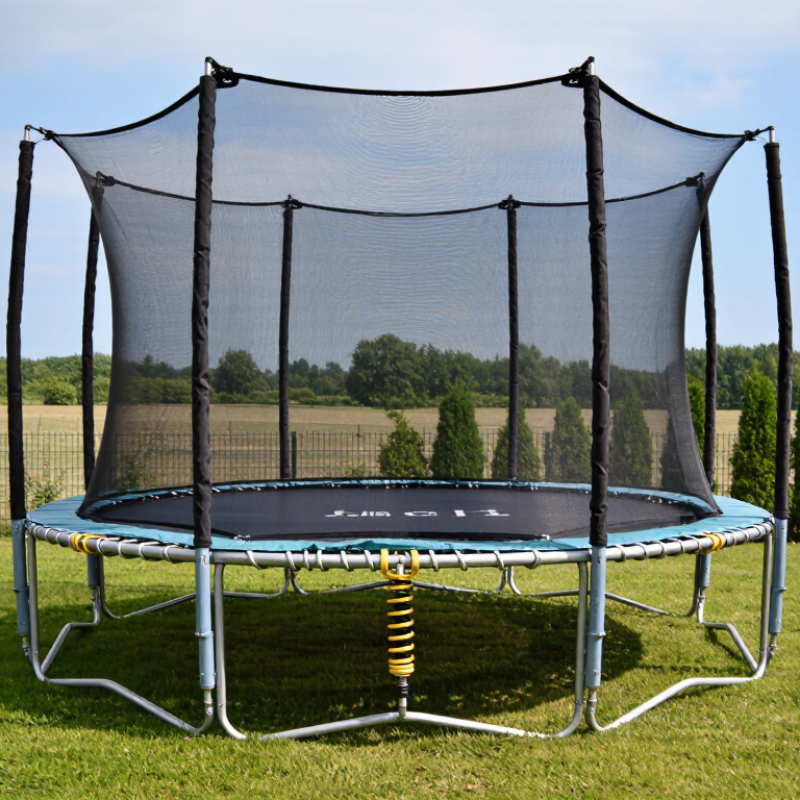
Choosing a rectangular trampoline starts with your available space, not the jumping surface. Measure the lawn’s usable length and width, then mark the proposed footprint with chalk. Include the frame, enclosure poles, ladder, and access path. A 10-by-14-foot model may need more than 10 by 14 feet. Keep the area level, clear of fences, branches, walls, and overhead cables. ASTM F381, the home-use trampoline safety standard, emphasizes safe placement and protective enclosure design. Clearance matters.
Leave practical room around the trampoline. Many safety guides recommend at least 3 feet of side clearance and about 24 feet of overhead clearance, although local instructions may differ. Check the product manual and local site conditions. CPSC analysis estimated nearly 100,000 emergency-department-treated trampoline injuries annually between 2002 and 2011. That older figure still shows why space planning deserves attention. Do not squeeze a large trampoline into a narrow corner.
Rectangular designs can suit long gardens and support directional movement, but size changes the landing experience. A 7-by-10-foot model may suit younger children, while larger units require stronger supervision and more open ground. Measure gates, pathways, and turning space before delivery. I would remeasure twice; lawns often look larger than they are. One overlooked problem is slope. Even a gentle incline can complicate anchoring and user control. Review the manual, inspect the ground after rain, and question whether the chosen size still leaves a clear, comfortable safety zone.
Rectangular trampolines usually provide a more even bounce from end to end. Their frame geometry supports controlled jumping and suits narrow gardens. That advantage creates a trade-off. The corners receive greater stress during repeated use. Look for reinforced corner joints, continuous welds, and legs that sit firmly on level ground.
A welded frame can feel rigid and stable, but it may be difficult to move. A bolted frame offers easier transport and replacement. However, loose hardware needs regular inspection.
Frame material affects durability, weight, and maintenance. Hot-dip galvanized steel resists rust better than untreated steel, especially in damp yards. Powder-coated steel can also protect the surface, but chips may expose vulnerable areas. Aluminum is lighter and easier to handle. It may bend more easily under heavy impact, depending on its alloy and tube thickness.
Light is not always better. Check the tubing diameter, wall thickness, and joint quality instead of judging by appearance.
A practical comparison should include the leg design. Wide, angled legs spread force across the ground, while narrow legs may wobble on soft soil. Measure the available space before choosing a frame. Leave clear room around the enclosure and inspect the ground for slopes or roots.
I would not rely on attractive paint alone. A small rust spot near a weld can reveal poor protection, although this check is easy to overlook. Rechecking bolts after several sessions is sensible, even with a well-built frame.
When choosing a rectangular trampoline, safety starts with the jumper, not the shape alone. Select a sturdy frame with tightly fitted padding covering every exposed edge. The padding should stay in place when pressed or pulled. Look for a safety enclosure with strong poles, secure netting, and a self-closing entrance. Small gaps can trap fingers, feet, or clothing. Check the weight limit carefully, especially when children and adults may use it.
The surrounding area needs equal attention. Place the trampoline on level ground, away from fences, trees, walls, pools, and overhead cables. Leave clear space around every side. A soft, well-maintained surface can reduce injury risk during an accidental fall, but it cannot replace an enclosure. Use suitable anchors in windy locations. I once noticed a frame shifting slightly after several energetic jumps. It looked stable at first. Regular checks matter.
Inspect springs, stitching, poles, netting, and frame joints before use. Replace damaged parts instead of covering them with quick fixes. Set one-jumper rules when the design and weight limit require them. A responsible adult should supervise younger users closely, even when the equipment appears secure. Shoes, toys, and sharp objects should stay outside the jumping area. Weather also matters; wet surfaces can become unexpectedly slippery. Children may complain about these limits, but consistent rules are easier to follow than occasional warnings.
The chart groups practical safety checks to review before purchase and before each use. A higher number indicates more individual checks in that safety category, not a performance rating.
Selection tip: Prioritize a complete enclosure, protected frame and springs, a level installation area, clear space around and above the trampoline, and strict one-jumper-at-a-time supervision rules.
A rectangular trampoline needs a weight limit that matches every expected user, not just one jumper. Check the stated maximum user weight and total frame capacity before buying. Leave a practical safety margin. A 70-kilogram jumper should not operate near a 70-kilogram limit. Children also grow quickly, which is easy to overlook. Place the trampoline on firm, level ground, and inspect the frame after assembly.
Springs strongly influence bounce performance. Longer springs may create a deeper, smoother bounce, while shorter springs often feel firmer. Count and compare spring length, attachment points, and protective coverage. Missing spring padding is a serious concern. The mat should use tightly woven, UV-resistant material with reinforced stitching around the edges. Press the center with your hand. It should feel resilient, not loose or brittle.
Bounce quality depends on the whole system, not one impressive specification. A well-made mat can still perform poorly when springs are unevenly tensioned. I have seen buyers focus on height and forget the landing feel. That choice can be disappointing. Look for steady lift, limited side movement, and a frame that stays quiet during use. Check the warranty terms, assembly instructions, and replacement-part availability. Marketing language can sound precise, but measurable details deserve more trust.
When choosing a rectangular trampoline, installation deserves more attention than appearance. ASTM F381 provides safety guidance for trampoline construction, assembly, labeling, and use. A level lawn is essential. Measure the frame diagonals before tightening bolts. Unequal measurements can twist the enclosure. Leave clear space above and around the jumping area. Anchoring matters in windy locations. CPSC safety data has repeatedly associated trampolines with roughly 100,000 emergency-department injuries annually in the United States. That figure makes rushed installation difficult to justify. In practical checks, I would also confirm that the ladder, net poles, and frame padding fit securely. Small gaps become larger problems.
Maintenance determines whether the purchase remains valuable. Inspect the mat, springs, stitching, and galvanized frame every few weeks. Look for stretched fabric, rust, loose bolts, and brittle padding. UV exposure can weaken materials before damage becomes obvious. The Consumer Product Safety Commission recommends replacing damaged parts and supervising users, especially children. Warranty language deserves equal scrutiny. Check coverage periods, structural exclusions, shipping charges, and whether labor is included. A long warranty may sound reassuring, yet it can cover only the frame. That assumption is easy to make—and often wrong. Compare replacement-part prices and expected service life, not only the initial price. A slightly cheaper model may become expensive after one torn mat and several shipping fees. I would record inspection dates, although many owners probably will not. That is an imperfect habit, but it reveals whether maintenance is actually happening.
Measure the usable lawn length and width. Mark the footprint with chalk. Include the frame, poles, ladder, and access path. A 10-by-14-foot model needs more room than its listed size.
Leave about three feet beside each side. Keep roughly 24 feet clear above it. Follow the manual and inspect nearby trees, fences, walls, and cables. Clearance matters.
Yes, its shape can suit narrow, extended lawns. Smaller models may suit younger children. Larger models need stronger supervision and wider safety zones. Measure gates and turning areas before delivery.
Sloping ground can affect anchoring and user control. Inspect the lawn when it is dry and after rain. If the slope feels noticeable, reconsider the location. Measure twice.
Choose tight edge padding and firmly attached enclosure poles. The net should have no finger-sized gaps. A self-closing entrance is useful. Press the padding and pull it gently.
Follow the stated weight limit and usage instructions. One jumper is often the safer rule, especially for children. Keep shoes, toys, and sharp objects outside. Children may complain.
Check the frame, springs, stitching, poles, netting, and bolts. Measure the frame diagonals before fully tightening the bolts. Unequal measurements can twist the enclosure. Small gaps become bigger problems.
Inspect the equipment every few weeks. Look for rust, stretched fabric, loose bolts, and brittle padding. Sunlight can weaken materials quietly. I would record inspection dates, although I might forget sometimes.
Check coverage periods, structural exclusions, shipping charges, and labor terms. Confirm whether mats and padding are included. A long warranty may cover only the frame. That assumption is easy to make.
Compare replacement-part prices and expected service life. A cheaper model may cost more after one torn mat. Include delivery and repair expenses. Initial price is not the whole story.
Choosing the right Rectangular Trampoline begins with measuring your available space and determining the size that best fits your yard, activity area, and intended number of jumpers. Consider the frame’s design, steel quality, corrosion resistance, and overall stability to ensure it can withstand regular use. Safety should also be a priority, so look for reliable enclosure systems, padded frame components, secure entry points, and enough clearance from walls, trees, and other surrounding objects.
Next, compare the trampoline’s weight limit with the users’ needs, and evaluate the quality of its springs, jumping mat, stitching, and bounce performance. A well-designed model should provide consistent elasticity without feeling unstable or overly harsh. Before making a final decision, review the installation process, maintenance requirements, replacement-part availability, warranty coverage, and total cost over time. By balancing space, construction, safety, performance, and long-term value, you can select a Rectangular Trampoline that offers enjoyable and dependable use.

Lingsha