Why Choose a Bungee Trampoline for Your Business?

Time:2026-09-14 Author:Charlotte
0%

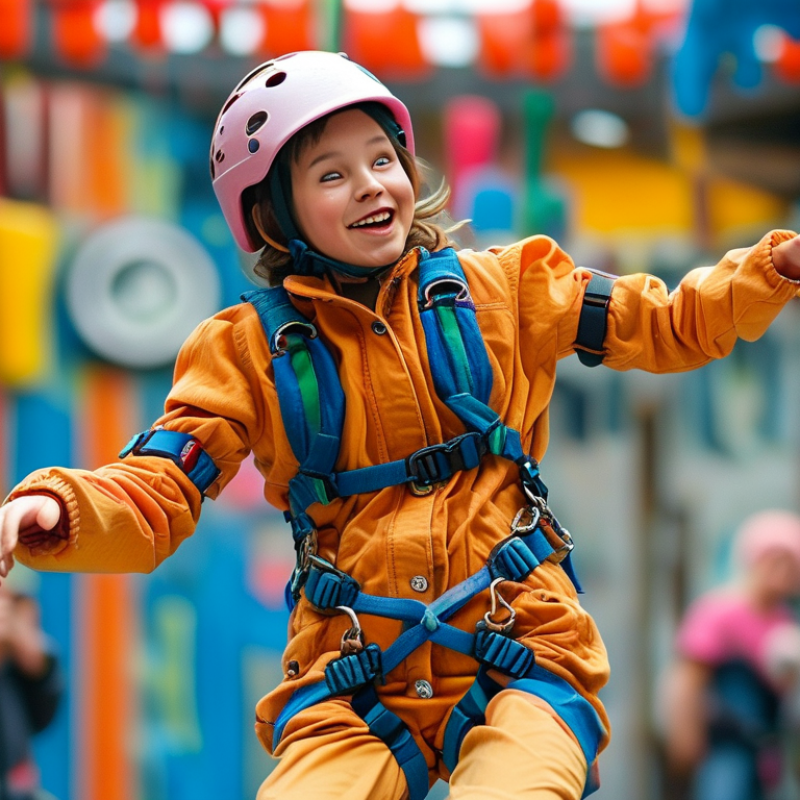
Choosing a Bungee Trampoline can give your business a strong visual attraction and a memorable customer experience. It combines jumping, controlled movement, and energetic play in one compact activity. Guests often notice it before entering the venue. That visibility can encourage questions, bookings, and repeat visits.

In practice, success depends on more than colorful equipment. Operators need trained staff, clear height and weight limits, daily inspections, and careful customer briefings. A child’s harness should feel secure, while the staff member checks every connection with patience. Small details matter. Manufacturer guidance and documented maintenance can support reliable operations and demonstrate professional responsibility. These steps also help businesses build customer trust over time.

The commercial value can be practical. A Bungee Trampoline may increase dwell time, support party packages, and complement attractions such as climbing walls or arcade games. It can also create shareable moments without requiring a large footprint. Still, it is not automatic income. Poor supervision, unclear pricing, or neglected equipment can quickly damage a venue’s reputation. That is an uncomfortable point, but it deserves attention.

Owners should compare installation space, staffing costs, expected demand, maintenance requirements, and local operating standards before investing. Speaking with experienced suppliers and venue operators can reveal problems that brochures often overlook. A thoughtful decision begins with safety and realistic numbers, not excitement alone. When managed carefully, this attraction can become a dependable part of a broader entertainment strategy.
Why Choose a Bungee Trampoline for Your Business?

What Is a Bungee Trampoline and How Does It Work?

Why Choose a Bungee Trampoline for Your Business?

What Is a Bungee Trampoline and How Does It Work?

A bungee trampoline combines a trampoline bed, safety harness, elastic cords, and a supporting frame. The jumper wears a fitted harness connected to cords on both sides. As the jumper bends and pushes against the mat, the cords stretch and return energy. This creates assisted vertical movement, not uncontrolled freefall. The frame carries the load, while the trampoline provides the rebound.

The motion is simple. A trained operator checks the harness, cord tension, mat, anchors, and surrounding clearance before each session. Height should increase gradually, especially for first-time users. ASTM F2970 and EN 13814 provide useful safety references for amusement rides and inflatable or trampoline-related equipment. Operators should also follow the equipment manufacturer’s inspection schedule and document defects. Small details matter here.

Commercial interest is understandable. Grand View Research’s 2024 Amusement Parks Market report valued the global market at about 62.7 billion US dollars in 2023. It also projected a 6.9% compound annual growth rate from 2024 to 2030. A bungee trampoline can offer repeatable sessions within a relatively compact footprint. However, the business case is not automatic. Staffing, daily inspections, user screening, and replacement parts affect real returns. The setup is not foolproof. A cautious operator should measure throughput and maintenance costs before promising impressive profits.

What Business Benefits Does a Bungee Trampoline Offer?

Abungee trampoline can turn unused floor space into an active customer experience. Visitors notice the harnesses, cords, and controlled jumps from across the venue. This visibility may increase dwell time and attract families seeking more than a passive attraction. Operators can schedule short sessions, allowing more guests to participate during busy periods. It also creates a clear, paid activity within a larger entertainment or hospitality business.

The main business benefit is measurable engagement. Staff can record sessions, peak hours, repeat visits, and average spending per participant. These details support practical decisions about pricing, staffing, and opening hours. A well-managed setup may encourage group bookings, birthday packages, or seasonal events. Trained attendants should inspect harnesses, attachment points, landing areas, and equipment before use. Safety is part of the value, not a separate promise.

Bungee trampolines still require careful planning. They need suitable ceiling height, clear boundaries, routine maintenance, and appropriate insurance coverage. Local requirements should be confirmed before installation. The return is not guaranteed. Poor queue control can frustrate customers, while weak training can damage trust quickly. A small pilot may reveal real demand before a larger investment. Operators should review incident records and customer feedback honestly. Sometimes the best lesson is what failed.

Which Venues and Customers Suit This Attraction?

A bungee trampoline suits venues with steady family traffic and enough open space. Shopping centers, holiday parks, family entertainment centers, and resort activity zones can benefit from its strong visual appeal. Guests often notice the bouncing motion before reading any sign. That helps attract attention from nearby walkways.

The best customers are usually children and teenagers seeking active entertainment. Many adults also enjoy watching, photographing, or joining when equipment allows. A venue should consider height, weight, and ability limits before promoting the attraction. Clear staff instructions matter. So does patient supervision. Operators need to manage harness fitting, session timing, queue flow, and daily equipment checks. These details shape the customer experience more than decoration does.

This attraction works well where families already expect short, memorable activities. It may perform beside play areas, food courts, pools, or outdoor event spaces. However, it is not a perfect fit for every location. Low ceilings, strong wind, poor drainage, or limited staffing can create practical problems. Rain can also disrupt outdoor operations. Check local safety requirements, insurance conditions, and accessibility needs before installation. A realistic business plan should test peak-hour demand, not just weekend excitement. Our first visitor estimate may be optimistic. A small trial can reveal whether customers will wait, return, and pay for another session.

How to read this chart: Indoor family entertainment centers and holiday parks typically offer the strongest fit because they combine high family traffic, longer dwell time, and controlled operating conditions. Shopping centers and outdoor event spaces can also work well when there is sufficient floor area, visibility, supervision, and safety clearance. The scores are a practical planning benchmark out of 100, not market-share data.

What Safety and Maintenance Factors Should Businesses Consider?

Why Choose a Bungee Trampoline for Your Business?

A bungee trampoline can attract families, increase visitor engagement, and create memorable activity areas. Yet safety begins before the first customer steps onto the platform. Operators should check frames, springs, cables, harnesses, stitching, and anchor points every day. Harnesses must fit securely without restricting movement. The landing zone needs clear space, stable flooring, and suitable impact protection. Small defects matter.

Daily inspections should follow written procedures and trained staff should record every result. Look for loose bolts, damaged webbing, unusual noises, and stretched trampoline surfaces. A qualified technician should complete deeper inspections at scheduled intervals. Local safety requirements may also demand specific barriers, staff ratios, or emergency procedures. Weather deserves attention. Strong wind, rain, or lightning can make outdoor operation unsafe. Stop operations when conditions change.

Maintenance should be planned, not handled only after equipment fails. Clean components carefully and keep metal parts dry to reduce corrosion. Replace worn parts according to technical guidance, not personal judgment. Keep service records with dates, findings, repairs, and responsible staff names. These records support accountability and help identify repeated problems. Staff also need practical training in harness fitting, customer instructions, and emergency response. A short briefing can prevent careless mistakes.

One weakness is easy to overlook: busy periods encourage rushed checks. I would review near misses, not hide them, because they reveal gaps. A checklist helps, but it cannot replace alert observation.

Why Choose a Bungee Trampoline for Your Business? — Safety and Maintenance Factors

A practical, standards-aware reference for evaluating bungee trampoline operations, customer safety, maintenance workload, and business suitability.

Business Factor Safety or Maintenance Dimension Evidence-Based Operating Requirement Recommended Business Practice Priority
Regulatory compliance Applicable ride and amusement-device standards Review the requirements applicable to the installation location, which may include ASTM F2970 for amusement rides and devices, EN 13814 for fairground and amusement equipment, and local inspection or licensing rules. Complete a documented compliance review before opening and obtain any required permits, inspections, or approvals. Critical
Participant eligibility Age, height, weight, and health restrictions Limits are equipment-specific and must be taken from the current manufacturer’s instructions and local operating rules. Users with conditions affected by jumping or harness pressure should not participate without appropriate medical clearance. Display eligibility limits clearly at the entrance and verify them before harness fitting. Critical
Harness and connection system Harness fit, buckles, attachment points, and lanyards Every participant requires a correctly fitted harness and secure connection to the designated bungee system. Webbing, stitching, buckles, carabiners, and attachment points should be checked for wear, deformation, corrosion, or damage. Use a trained operator for fitting and perform a second-person or operator verification before each launch. Critical
Bungee cords Elasticity, abrasion, cuts, fraying, contamination, and age Bungee cords are wear components. A damaged, contaminated, overstretched, or otherwise suspect cord must be removed from service. Replacement timing must follow the equipment manufacturer’s criteria rather than a universal interval. Inspect before each operating day or shift, record replacements, and quarantine questionable cords immediately. Critical
Trampoline surface Mat, stitching, springs, frame, padding, and enclosure condition The jumping surface and supporting structure should be free from tears, exposed sharp edges, broken springs, loose fasteners, excessive corrosion, and displaced protective padding. Perform a pre-opening visual and functional inspection, followed by scheduled documented maintenance inspections. High
Anchoring and structural stability Base, ballast, tie-downs, anchor points, and level installation The unit must be installed on a suitable surface and secured according to the manufacturer’s engineering instructions. Anchors and structural connections must remain tight, stable, and free from significant damage. Recheck the installation after relocation, severe weather, impact, or any unusual movement. Critical
Clear operating zone Obstructions, spectator separation, and landing area The operating area must remain clear of furniture, equipment, loose objects, overhead hazards, and unauthorized people. Required clearances are equipment-specific and should be confirmed from the installation manual. Mark the exclusion zone with barriers or floor markings and keep an operator in control of access. Critical
Supervision and throughput Continuous operator control and participant flow Participants should be supervised throughout the activity. Operators must control loading, unloading, jumping sequence, emergency stops, and compliance with user limits. Schedule trained staff according to the number of operating positions, customer volume, and site layout rather than relying on unsupervised use. High
Weather and environmental conditions Wind, lightning, rain, heat, cold, and surface conditions Weather can affect traction, visibility, structural stability, electrical safety, and material performance. Outdoor operations should follow the manufacturer’s weather limits and the site’s risk assessment. Define written shutdown and reopening procedures, inspect the equipment after adverse weather, and do not resume operation until it is safe. Critical
Cleaning and hygiene Harness contact surfaces, mats, handles, and high-touch areas Shared equipment can accumulate sweat, dirt, and bodily fluids. Cleaning products must be compatible with webbing, elastic components, padding, and mat materials. Clean high-touch and body-contact surfaces on a defined schedule and immediately after contamination. High
Inspection documentation Traceability of checks, defects, repairs, and staff actions Safety management is stronger when inspections and corrective actions are recorded. Records should identify the date, equipment, inspector, findings, action taken, and return-to-service decision. Keep daily checklists, maintenance logs, incident reports, and replacement records available for review. High
Emergency readiness Stop procedures, first aid, evacuation, and incident response Operators should know how to stop the activity safely, release or support a participant, summon emergency assistance, and protect the area after an incident. Provide staff training, accessible first-aid equipment, emergency contact information, and periodic drills appropriate to the venue. High
Downtime and lifecycle cost Replacement parts, inspections, cleaning, labor, and repair availability Operating cost is influenced by consumable components such as bungee cords, harnesses, padding, fasteners, and mats, as well as inspection and staff-training requirements. Maintain an approved spare-parts inventory and budget for preventive replacement instead of waiting for component failure. Medium
Customer experience Visible safety controls, waiting time, cleanliness, and consistency Clear rules, professional harness fitting, clean equipment, and consistent operating procedures can improve customer confidence while reducing avoidable misuse. Use simple safety signage, timed sessions, orderly queues, and a short operator briefing before participation. Medium
Important: The stated inspection practices are operational recommendations, not substitutes for local law, formal risk assessment, or the current equipment manufacturer’s instructions. Where requirements conflict, follow the stricter applicable requirement and obtain competent professional advice.

How Can a Bungee Trampoline Support Business Growth?

Why Choose a Bungee Trampoline for Your Business?

How Can a Bungee Trampoline Support Business Growth?

A bungee trampoline can turn unused floor space into an active customer attraction. Visitors jump, laugh, and often spend longer inside the venue. Longer visits may support sales from admissions, refreshments, photographs, or nearby activities. It creates motion.

The attraction can suit family centers, resorts, shopping venues, and seasonal events. Its bright structure is easy to notice from a distance. Parents may return when children remember the experience positively. Birthday packages and timed sessions can also create clearer booking opportunities. Operators should track session demand, average spending, repeat visits, and cancellation patterns. These figures reveal whether the attraction supports real growth.

Safety and operational discipline must guide every business decision. Trained staff should check harnesses, cords, frames, landing areas, and customer instructions before opening. Equipment needs documented inspections and maintenance based on manufacturer guidance and local requirements. Staff should also manage height, weight, weather, and queue limitations carefully. A poor queue system can damage the customer experience. The model is not effortless. Staffing costs, repairs, space limits, and quiet weekdays can reduce returns. Reviewing these weaknesses honestly helps owners adjust pricing, scheduling, and promotion without making unsupported promises. Regular customer feedback may reveal practical issues, such as uncomfortable harnesses or confusing safety instructions.

FAQS

What is a bungee trampoline?

It combines a trampoline bed, safety harness, elastic cords, and a supporting frame. The cords assist vertical movement when the jumper pushes against the mat. It is not uncontrolled freefall.

How does the jumping motion work?

The jumper bends and pushes down. The cords stretch, then return energy upward. Height should increase gradually.

What should operators inspect before each session?

Staff should check the harness, cords, frame, mat, anchors, and surrounding clearance. They should record defects and follow the equipment’s inspection schedule. Small details matter.

Why can this attraction support business growth?

It can turn unused floor space into an active customer attraction. Longer visits may support admissions, refreshments, photographs, or nearby activities. The effect is possible, not guaranteed.

Which venues might suit a bungee trampoline?

Family centers, resorts, shopping venues, and seasonal events may benefit from it. A bright structure can attract attention from a distance. Location still matters.

How can operators measure business performance?

Track session demand, average customer spending, repeat visits, and cancellations. Also measure staffing, repairs, and maintenance costs. Numbers reveal the real picture.

What operating problems can reduce returns?

Staffing costs, limited space, equipment repairs, and quiet weekdays can weaken returns. Poor queue management may also frustrate visitors. The setup is not foolproof.

How can operators improve the customer experience?

Give clear safety instructions and manage queues carefully. Check whether harnesses feel comfortable during sessions. Customer feedback may reveal problems staff overlook.

Conclusion

A Bungee Trampoline is an interactive attraction that combines a flexible trampoline surface with adjustable elastic cords and a secure harness system. Participants can jump, perform controlled movements, and enjoy a sense of flight while staff manage the equipment and provide guidance. For businesses, this attraction can create an engaging experience that appeals to children, families, and active visitors. It can also increase customer dwell time, encourage repeat visits, and add variety to entertainment venues, shopping centers, family activity parks, resorts, and event spaces.

Before installation, operators should evaluate available space, user capacity, staff training, equipment quality, and local safety requirements. Regular inspections of cords, harnesses, frames, anchors, and trampoline surfaces are essential, while clear operating procedures help reduce avoidable risks. With reliable maintenance and thoughtful customer management, a Bungee Trampoline can become a memorable feature that supports positive reviews, seasonal promotions, group bookings, and long-term business growth.

Charlotte

Charlotte

Charlotte is a seasoned marketing professional with a deep understanding of the company's portfolio and a passion for elevating its presence in the market. With a keen eye for detail and a commitment to excellence, she ensures that our professional blog is regularly updated with insightful articles......